Early Signs of Thinning Hair You Should Not Ignore
Hair thinning rarely happens overnight. In many cases, the earliest warning signs appear gradually and can be easy to dismiss at first. A slightly wider part, extra strands in the shower drain, or less volume in your ponytail may not seem alarming initially. Over time, however, these subtle changes can develop into more noticeable hair loss.
Recognizing the early signs of thinning hair gives you the best opportunity to address the issue before it progresses further. Modern hair restoration treatments have advanced significantly, and early intervention often leads to better long term outcomes.
At Elite Mei Wellness and Hair Restoration, patients receive physician led evaluations and personalized treatment plans designed to identify the root cause of hair thinning and restore confidence with both surgical and non surgical options.
Why Early Detection Matters
Hair loss can result from genetics, hormonal changes, stress, nutritional deficiencies, medical conditions, aging, or autoimmune disorders. The earlier the underlying cause is identified, the greater the chance of slowing progression and preserving healthy follicles. According to the Mayo Clinic Hair Loss Resource Center, some forms of hair loss can become permanent if left untreated for too long.
Many people wait until hair loss becomes visibly severe before seeking treatment. Unfortunately, delayed treatment can limit available options because dormant follicles may eventually stop producing hair altogether.
The American Academy of Dermatology Association explains that hair loss can stem from hereditary conditions, hormonal changes, stress, medications, and scalp disorders. Understanding the cause is essential for choosing the right treatment approach.
Common Early Signs of Thinning Hair

1. Increased Hair Shedding
One of the first indicators of thinning hair is excessive shedding. Losing some hair daily is completely normal. Most people naturally shed between 50 and 100 hairs each day according to the Cleveland Clinic Hair Loss Guide.
Problems arise when you begin noticing:
More hair in your brush
Excess strands on your pillow
Hair accumulating in the shower drain
Increased shedding during washing or styling
Temporary shedding can happen after illness, stress, hormonal changes, rapid weight loss, or nutritional deficiencies. Persistent shedding lasting several months, however, should not be ignored.
The National Library of Medicine also notes that nutritional deficiencies and underlying health conditions can contribute to abnormal hair shedding patterns.
2. A Widening Part
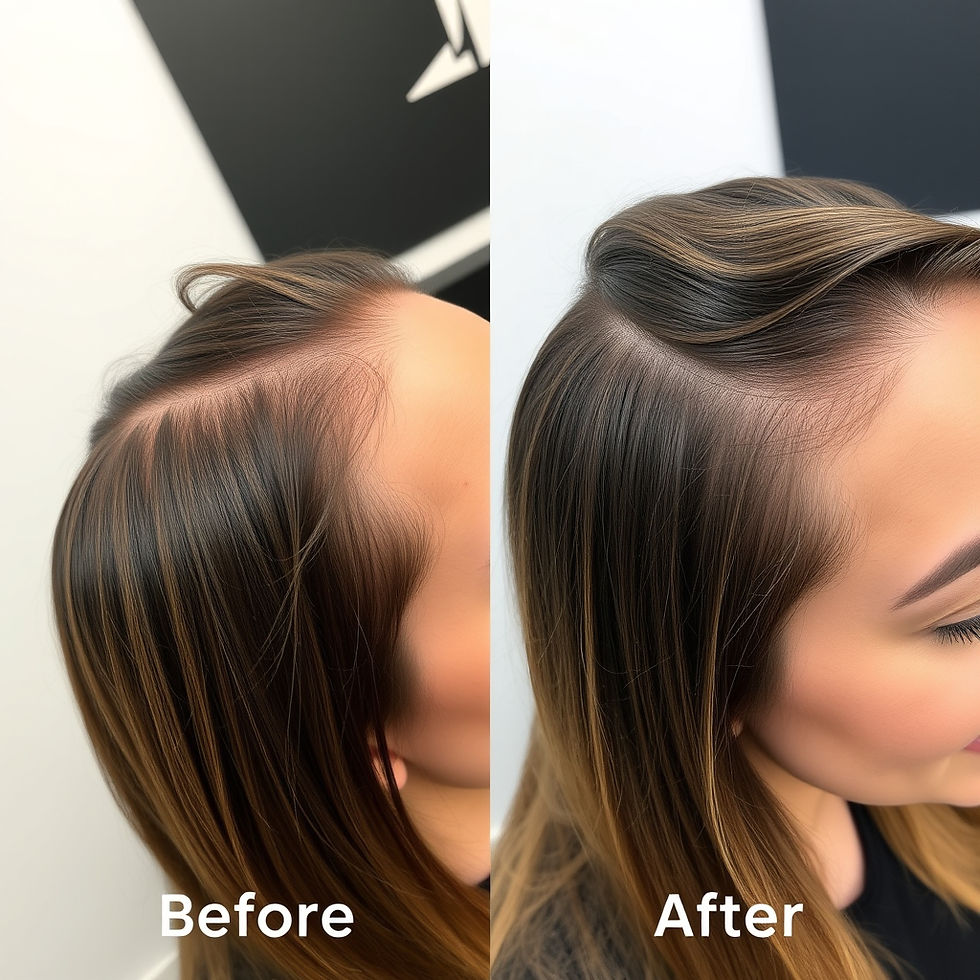
A gradually widening hair part is a common early sign of female pattern hair loss. Many women first notice they can see more scalp along their natural part line.
This change can happen so gradually that comparing recent photos with older ones may reveal the difference more clearly than looking in the mirror day to day.
Female pattern thinning often begins at the crown or center part before spreading outward. Early treatment can help slow progression and support regrowth. The Harvard Health Publishing guide on hair loss in women explains that hereditary thinning in women commonly presents as diffuse thinning across the top of the scalp rather than complete baldness.
3. Receding Hairline
Men commonly experience hair thinning beginning around the temples or hairline. A receding hairline may create an “M” shaped appearance over time.
Women can also develop frontal hair thinning, especially during hormonal transitions such as menopause.
A changing hairline should not automatically be dismissed as normal aging. Medical evaluation can help determine whether hereditary hair loss or another underlying condition is contributing to the issue.
The American Hair Loss Association reports that androgenetic alopecia affects millions of men and women and often begins earlier than many people expect.
4. Loss of Hair Volume
Hair thinning is not always about visible bald spots. Sometimes the earliest sign is simply reduced fullness.
You may notice:
Your ponytail feels thinner
Hairstyles do not hold the same way
Your scalp becomes more visible under bright lighting
Hair lacks density and body
Hair miniaturization is often responsible for this change. Over time, follicles begin producing finer, weaker hairs until growth eventually stops.
The International Society of Hair Restoration Surgery explains that follicle miniaturization is one of the defining characteristics of pattern hair loss.
Patchy Hair Loss Should Never Be Ignored
Sudden bald patches or circular areas of hair loss may signal conditions such as alopecia areata, an autoimmune disorder that attacks hair follicles.
Patchy hair loss can also be associated with scalp infections or inflammatory conditions. Symptoms such as redness, itching, scaling, burning, or tenderness should always be evaluated promptly by a medical professional.
The National Alopecia Areata Foundation provides educational information about autoimmune related hair loss and treatment options.
Changes in Hair Texture and Quality
Hair thinning does not always start with visible loss. Sometimes the hair itself changes first.
You may notice:
Hair becoming finer or weaker
Increased breakage
Dry or brittle strands
Slower growth
Reduced curl definition or texture changes
Miniaturized hairs often appear thinner and shorter than normal healthy strands. These subtle changes can precede more noticeable thinning.
According to Johns Hopkins Medicine, hair texture changes and increased fragility can be early indicators of underlying scalp or follicle issues.
Stress and Hair Loss
Emotional and physical stress can trigger a temporary condition called telogen effluvium, where more hairs than usual enter the shedding phase. High stress events such as illness, surgery, childbirth, emotional trauma, or significant weight loss can all contribute.
Many people do not realize the connection because shedding may begin several months after the stressful event occurred.
Stress related shedding is often reversible, but chronic stress can prolong the problem and worsen underlying genetic hair loss.
The Cleveland Clinic guide to telogen effluvium explains that this condition commonly appears several months after a stressful trigger.
Hormones and Hair Thinning
Hormonal changes are a major contributor to hair thinning in both men and women.
Potential hormonal triggers include:
Pregnancy and postpartum changes
Menopause
Thyroid disorders
Polycystic ovary syndrome (PCOS)
Testosterone sensitivity
Certain medications
Community discussions online frequently highlight how hormonal imbalances and low iron levels contribute to hair thinning, especially in women seeking answers after gradual progression.
The Office on Women’s Health discusses how hormonal shifts and medical conditions commonly affect female hair growth patterns.
A comprehensive medical evaluation is important because identifying underlying causes often improves treatment success.
Nutritional Deficiencies and Hair Health
Healthy hair growth depends on adequate nutrition. Deficiencies in iron, vitamin D, protein, zinc, and other nutrients may contribute to thinning hair.
Crash dieting and rapid weight loss can also trigger excessive shedding. Supporting overall wellness is often an important part of a comprehensive hair restoration plan.
The Cleveland Clinic article on vitamins and hair loss explains that iron deficiency, vitamin D deficiency, and inadequate protein intake can all impact healthy hair growth.
The team at Elite Mei Wellness and Hair Restoration Hair Restoration Services emphasizes comprehensive evaluations and individualized treatment plans to identify contributing factors before recommending treatment.
When to Seek Professional Help
You should schedule a professional evaluation if you notice:
Persistent shedding lasting more than a few months
Visible scalp exposure
Receding hairline
Patchy bald spots
Sudden hair loss
Thinning eyebrows or beard hair
Scalp irritation or inflammation
According to the American Academy of Dermatology Hair Loss Resource, early diagnosis can help prevent further progression and improve treatment outcomes.
Modern Hair Restoration Options
Hair restoration today involves far more than simply treating baldness after it becomes severe. Modern treatments focus on preserving follicles, improving scalp health, and encouraging regrowth.
Depending on the cause and severity of hair thinning, treatment options may include:
Medical therapy
PRP hair restoration
Nutritional support
Lifestyle modifications
Non surgical treatments
FUE hair transplantation
FUEsion Hair Clinic partners with Elite Mei to provide advanced surgical hair restoration solutions tailored to each patient’s needs. Combined medical and surgical approaches can often produce natural looking, long lasting results.
Patients interested in learning more about follicular unit extraction can explore this overview from the International Society of Hair Restoration Surgery FUE Guide.
You can also learn more about the emotional impact of hair loss in this article from Elite Mei Wellness and Hair Restoration Blog.
Hair Loss Is More Common Than You Think
Hair thinning affects millions of people across all ages and genders. While genetics often play a role, many causes are treatable when identified early.
Online communities focused on hair loss frequently remind people not to ignore subtle changes or delay seeking professional evaluation. Many individuals report wishing they had addressed their thinning hair sooner rather than waiting until the loss became advanced.
The National Institutes of Health overview of alopecia research highlights ongoing advancements in hair loss understanding and treatment development.
Hair loss can affect confidence, self image, and emotional wellbeing, but early intervention offers hope and effective solutions.
Final Thoughts
Thinning hair often begins with subtle signs that are easy to overlook. Increased shedding, reduced volume, widening parts, and changing hairlines are all signals worth paying attention to.
The good news is that modern hair restoration has evolved dramatically. Early evaluation and treatment can help slow progression, preserve existing hair, and support healthier regrowth.
If you have started noticing changes in your hair density or shedding patterns, seeking professional guidance sooner rather than later can make a meaningful difference.
Learn more about personalized hair restoration solutions through Elite Mei Wellness and Hair Restoration and FUEsion Hair Clinic.